
The Allure of Chance: Understanding Risk and Reward
The thrill of uncertainty is a fundamental aspect of human nature, playing a significant role in our relationship with casino games. Each spin of the roulette wheel and every shuffle of the deck offers players an opportunity to transform their fortunes in an instant. This allure of risk is deeply rooted in psychological principles, tapping into our desire for adventure and the exhilaration that comes with taking chances, especially when considering options for an online casino fast withdrawal that can enhance the gaming experience. Furthermore, games are designed to evoke a sense of hope and excitement, compelling players to return even after experiencing losses.
This psychological pull is often enhanced by the concept of variable rewards, which is well-documented in behavioral psychology. When players experience intermittent rewards, such as winning a small jackpot or receiving a free spin, they are more likely to continue playing. Our brains are wired to seek patterns in unpredictable outcomes, leading to a phenomenon known as the “gambling paradox.” Players may feel that a win is just around the corner, despite statistical evidence to the contrary, which fuels their ongoing engagement with the game.
Moreover, casinos strategically utilize colorful designs, captivating sounds, and enticing atmospheres to reinforce the excitement of risk-taking. These sensory elements create an immersive experience, stimulating players’ emotions and enticing them to stay longer. By recognizing how environment influences decision-making, we can gain insight into how player behavior is shaped within the casino context. The blend of chance and reward creates a compelling framework that keeps players coming back for more, often in spite of the odds against them.
Emotional Triggers: The Intersection of Psychology and Behavior
Emotions play a pivotal role in how players interact with casino games and their decision-making processes. Research shows that players often make irrational choices based on their emotional states rather than logical reasoning. For instance, excitement or hope can drive players to chase losses, leading to further gambling, while feelings of frustration may prompt them to take bigger risks in an attempt to regain control. This emotional rollercoaster significantly contributes to the behavior patterns observable in gambling environments.
The social elements of casino gaming can also amplify emotional responses. Players often engage in games as a shared experience, fostering camaraderie and competition. Whether celebrating a win or commiserating after a loss, social interactions enhance the emotional stakes involved in gaming, creating a bond that encourages repeated visits to casinos. As players form emotional attachments—either to specific games or to the social atmosphere of the casino—they may become more susceptible to continuing gambling, influenced by their social networks and peer pressures.

Additionally, the concept of “loss aversion” is particularly relevant in the context of gambling. Studies indicate that individuals are more motivated to avoid losses than to seek gains, which can lead to a cycle of behavior characterized by chasing losses or playing longer than intended. This psychological phenomenon highlights the often-complicated relationship players have with their emotions, driving behaviors that can be detrimental in the long run. Understanding these emotional triggers is crucial for both players and the industry in navigating the complexities of gambling behavior.
The Role of Cognitive Biases in Gambling Decisions
Cognitive biases are systematic patterns of deviation from norm or rationality in judgment, and they play a significant role in the decision-making processes of casino players. One common example is the “gambler’s fallacy,” where players mistakenly believe that past events influence future outcomes. For instance, if a particular number has not come up in a roulette game for several spins, a player might believe it is “due” to appear soon. Such misconceptions can lead to ill-informed betting strategies and increase players’ spending in the hopes of beating the odds.
Another prevalent cognitive bias is the “illusion of control,” where players believe they can influence the outcome of games that are fundamentally based on chance. This is particularly evident in skill-based games like blackjack or poker, where players believe their skill can sway the odds in their favor. This illusion can cultivate overconfidence, leading individuals to take unjustified risks. Such biases can have significant financial consequences as players misjudge their capabilities, often resulting in losses that could have been avoided.
Understanding these cognitive biases is essential, not only for players but also for the gaming industry. By recognizing how these biases can skew perception and decision-making, casinos can develop responsible gaming initiatives to mitigate harmful behaviors. Educating players about these biases empowers them to make more informed choices, ultimately facilitating a healthier approach to gambling and promoting awareness of the psychological factors at play.
The Impact of Rewards and Incentives on Player Behavior
Rewards and incentives significantly shape player behavior in casinos, driving both engagement and retention. In the gaming ecosystem, casinos often implement loyalty programs, tailored promotions, and bonuses that appeal to players’ desires for recognition and value. By offering rewards, casinos not only encourage players to return but also shape their gaming habits. The psychology behind these incentives is rooted in the idea of reciprocity; when players receive something of value, they feel compelled to give back by playing more.
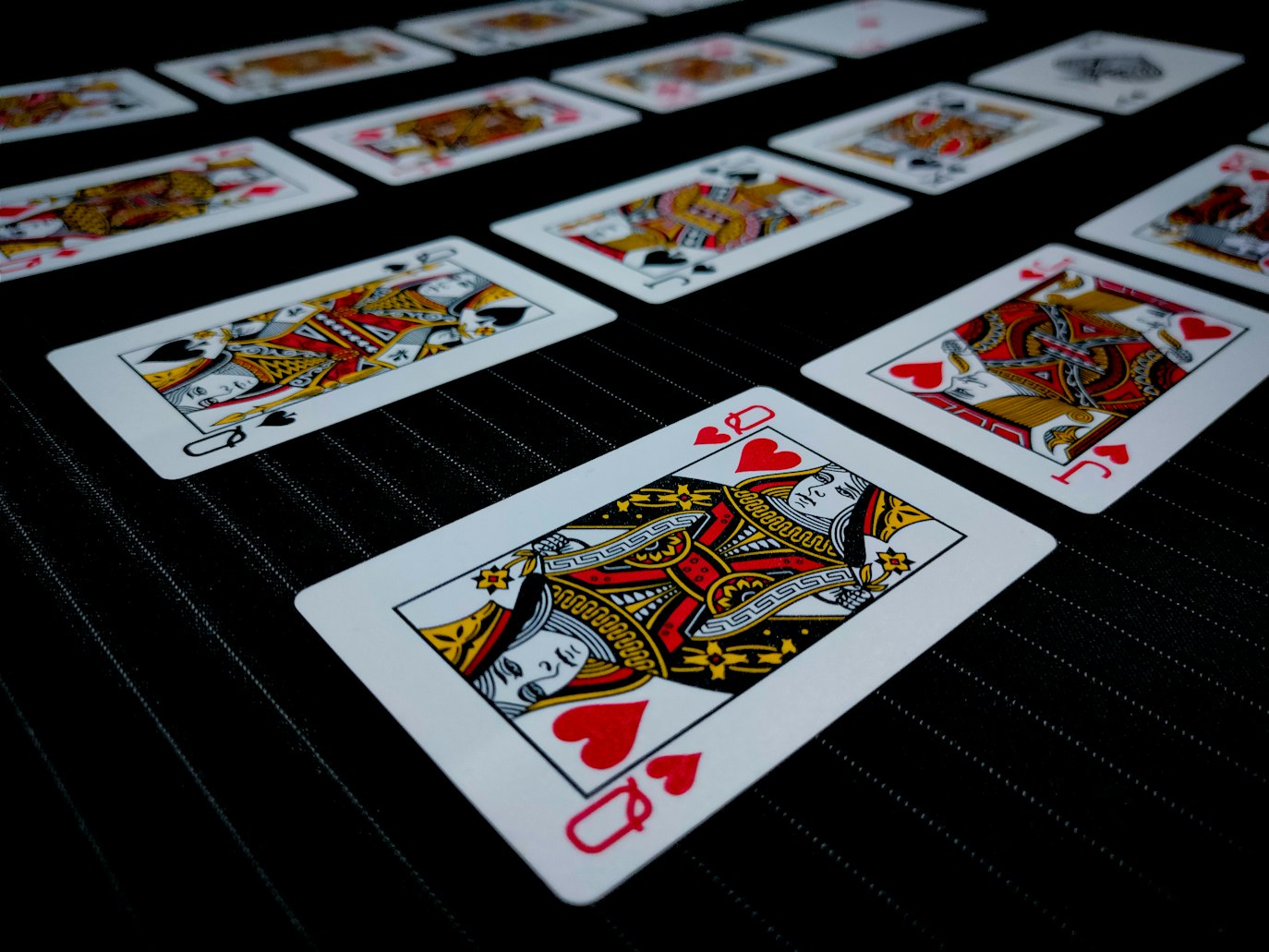
Additionally, the structure of rewards—especially when they are unpredictable—can lead to increased levels of excitement and engagement. For example, the “near-miss” phenomenon, where a player comes close to winning, reinforces their desire to continue playing. Even if they do not win, the sense of almost achieving a goal can be compelling enough to spur additional gambling. This highlights how strategically designed incentives can manipulate player behavior within the gaming environment.
Furthermore, the use of technology in modern casinos has transformed the way rewards are delivered. Mobile apps, online platforms, and interactive gaming experiences enhance player engagement through real-time feedback and personalized promotions. This technological evolution allows casinos to tailor their offerings to individual preferences, optimizing the player experience while simultaneously increasing the likelihood of continued participation. By understanding the power of rewards and incentives, both players and operators can make informed decisions about gambling behaviors.
Responsible Gaming: Insights for Players and Operators
Responsible gaming is an essential consideration for both players and casino operators, promoting healthier gambling behaviors and minimizing potential harms associated with gambling addiction. Recognizing the psychological aspects that drive player engagement is crucial for implementing effective responsible gaming initiatives. Education about the risks involved in casino gaming can empower players to make more informed choices and foster a more sustainable gambling environment.
Casinos can benefit from incorporating responsible gaming programs that provide players with tools for self-assessment and limit-setting. By offering resources such as self-exclusion programs, time management tools, and educational materials about the psychological factors influencing gambling behavior, operators can help players recognize when they are engaging in harmful habits. Fostering a culture of responsible gambling not only protects players but also enhances the reputation of the casino industry as a whole.
Moving forward, collaboration between regulators, operators, and mental health professionals is vital in addressing problem gambling. This multi-faceted approach can lead to innovative solutions that balance the excitement of gaming with the importance of player safety. With a commitment to responsible gaming, both players and operators can contribute to a healthier gambling landscape, ensuring that the thrill of the game does not come at the cost of personal well-being and financial stability.